Why Tiny Homes Make Sense for Veterans
January 7, 2026
Is Your Land Really Ready for a Home? A Simple, Honest Checklist
January 26, 2026
If you’ve been paying attention to the housing market lately, confusion is completely understandable. Between rising prices, long build timelines, and unfamiliar terms like tiny homes, modular, and prefab, many buyers are left wondering what actually makes sense for their situation.
At Wolfvalley, we spend every day helping families sort through these options — and while no solution fits everyone, tiny modular homes continue to stand out as one of the smartest paths forward for modern home buyers.
Why Traditional Housing Feels So Risky Right Now
Stick-built homes often come with unpredictable timelines, rising labor costs, and months (sometimes years) of waiting. Many buyers sign contracts before knowing the final price, only to face change orders and delays along the way. That uncertainty creates stress — and financial strain — long before move-in day.
Understanding the Differences
Before choosing a home, it’s important to understand what these categories actually mean:
-
Stick-Built Homes: Built entirely on-site. Customizable, but slow and expensive.
-
Prefab Homes: Built in a controlled environment for faster delivery and consistent quality.
-
Modular Homes: A type of prefab built to residential code and set on permanent foundations.
-
Tiny Homes: Smaller footprints designed for efficiency, affordability, and intentional living.
Wolfvalley specializes in tiny modular homes, combining the durability of modular construction with the simplicity and affordability of tiny home living. Learn more about our approach to Tiny Modular Homes.
Why Tiny Homes Are Gaining Momentum
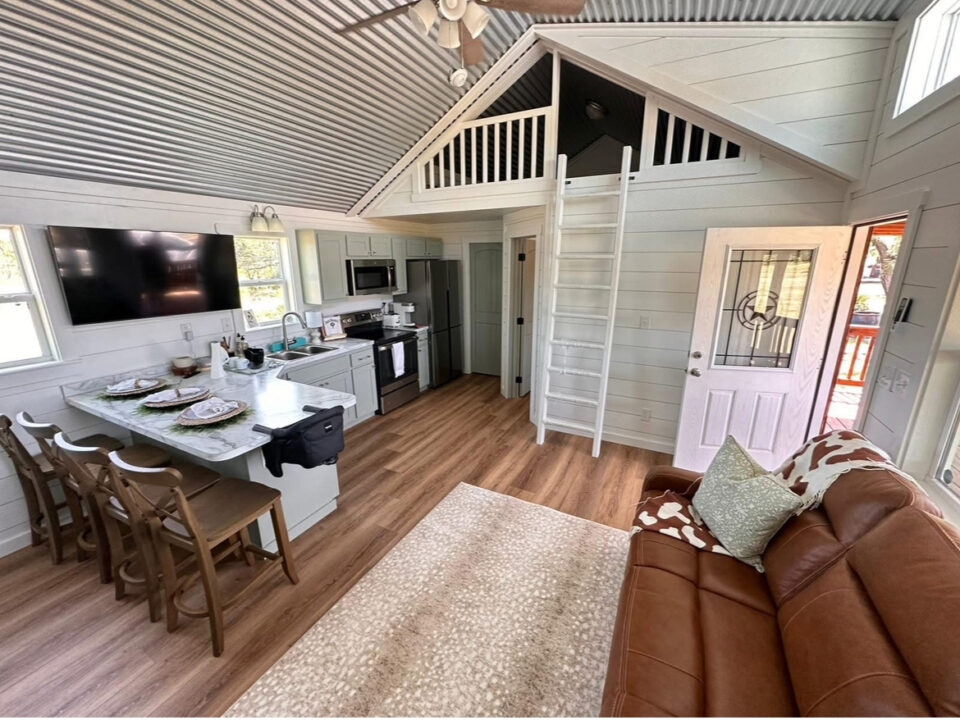
Tiny homes aren’t about sacrificing comfort — they’re about eliminating excess. With thoughtful layouts, quality materials, and efficient use of space, homeowners gain:
-
Predictable pricing
-
Faster build timelines
-
Lower long-term maintenance
-
More financial flexibility
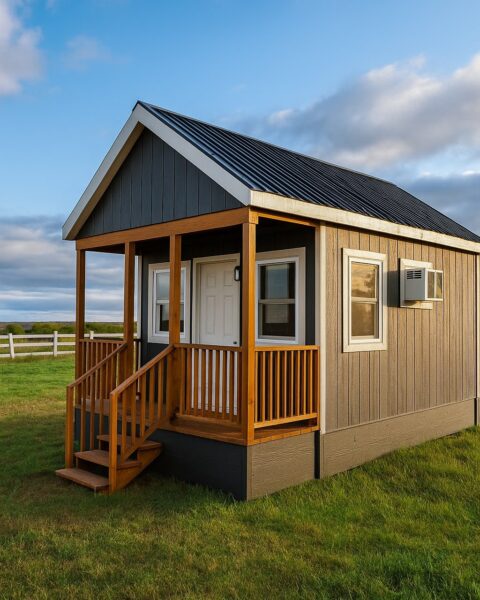
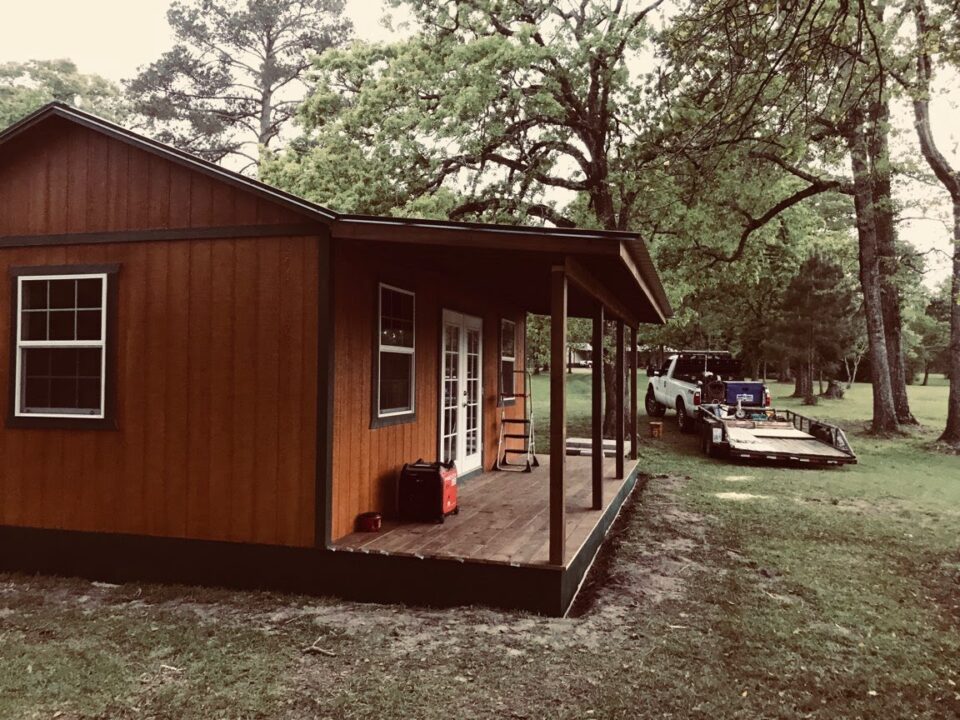
Our Prefab Tiny Homes allow buyers to skip much of the uncertainty that comes with traditional construction, while still owning a permanent, livable home.
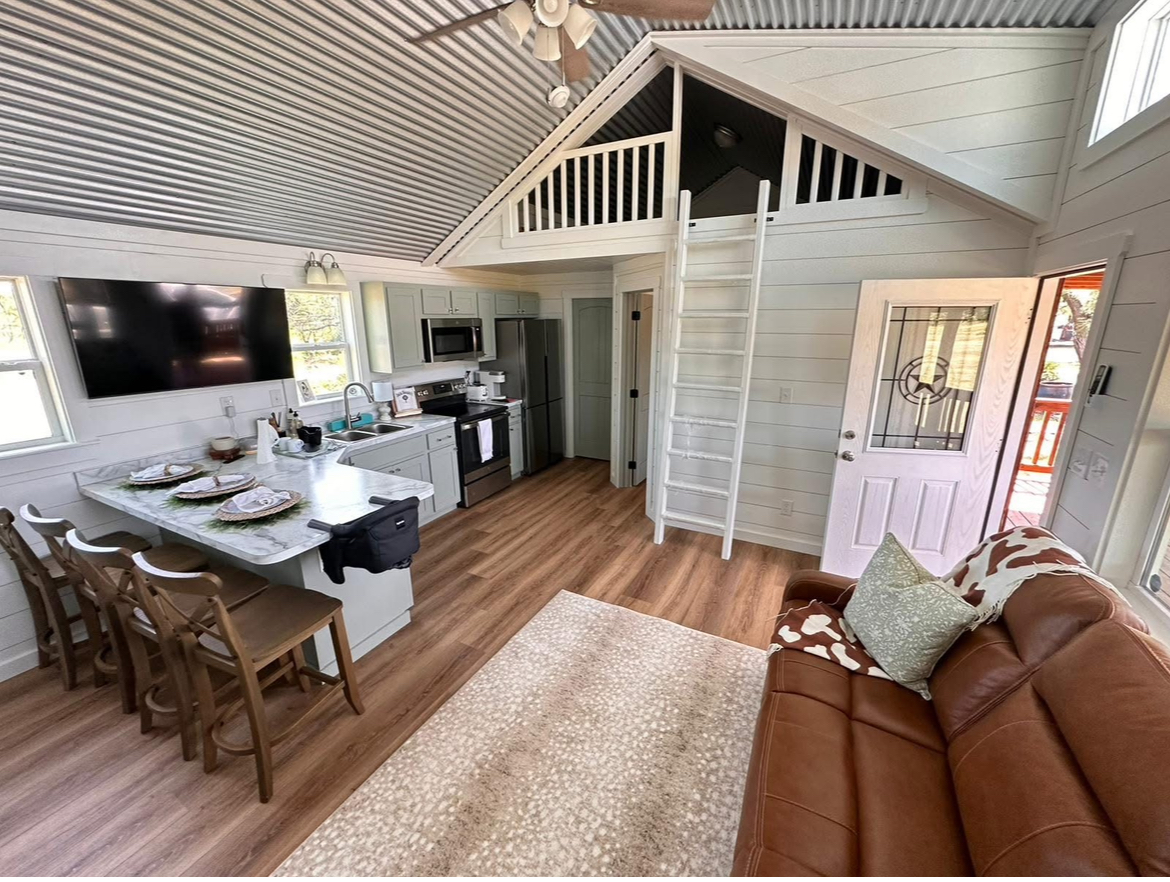
Designs like the 16×36 Dormer Cabin show how compact living can still feel open, functional, and comfortable.
Is a Tiny Home “Really” a Long-Term Solution?
When built correctly — on a solid foundation, to residential standards — tiny homes absolutely can be long-term housing. The key difference is choosing a builder who prioritizes quality and transparency, not shortcuts.
See the Difference in Person
If you’re nearby, Wolfvalley hosts Open Houses every Saturday. You can:
-
Walk through in-stock models
-
Tour our facility
-
Meet the team
-
Ask questions with zero pressure
Sometimes clarity only comes once you step inside.